


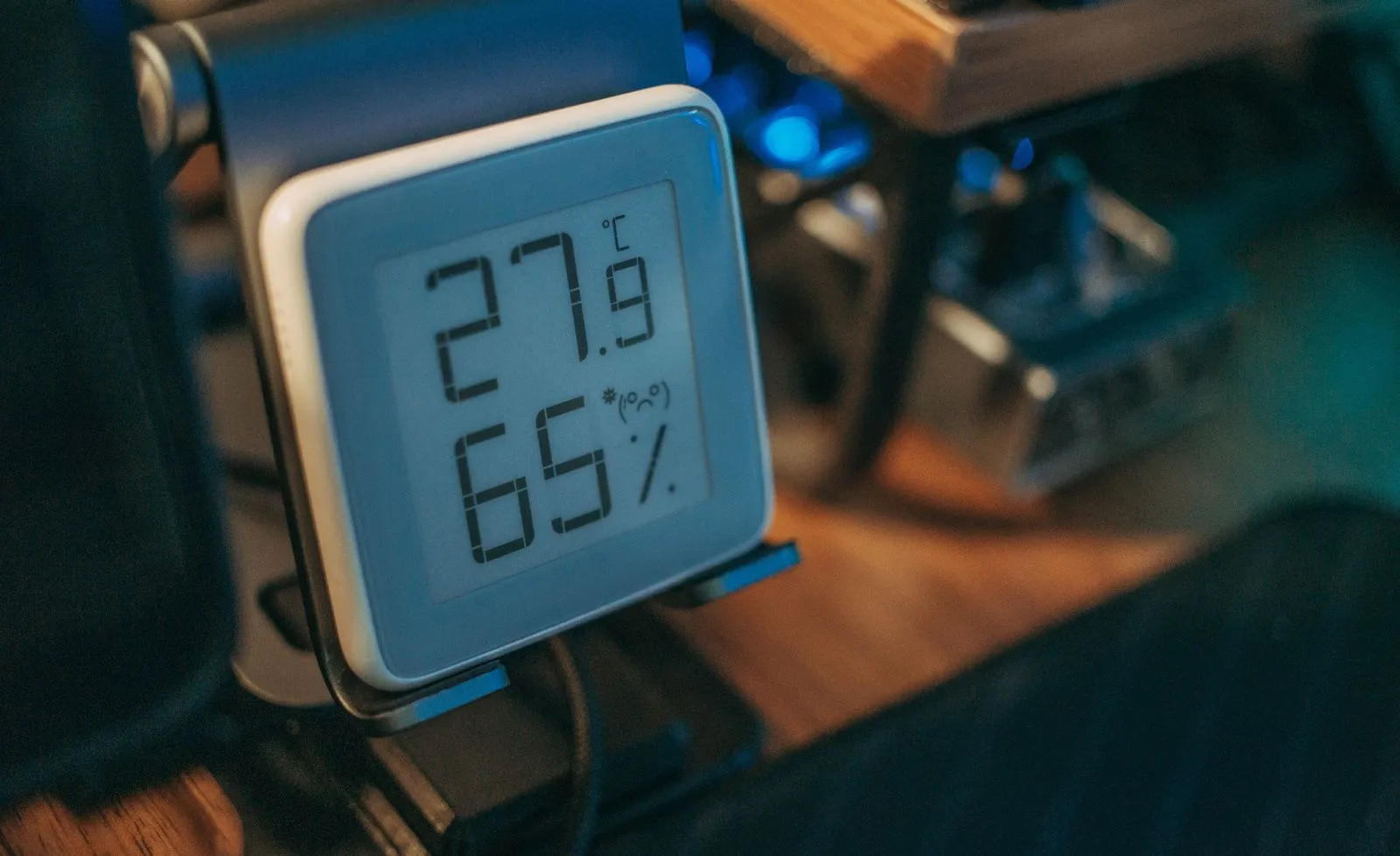
Jacksonville homeowners tend to relax about humidity once November arrives. The heat breaks, the windows stay closed, and the air conditioner finally gets a rest. That is exactly when a lot of indoor humidity problems start. Your AC does much of the dehumidifying in a Florida house, so when it runs less, moisture lingers, especially in closets, bathrooms, garages, and rooms on the shady side of the home. A dehumidifier is the first thing many people reach for. Here is when it helps, where it falls short, and why a number on a humidity meter is only part of the story.
Does a dehumidifier prevent mold?
It can help, but it is a tool for controlling humidity, not a cure for mold. Mold needs moisture, a food source (dust, drywall paper, wood, fabric), and time. Indoors, you can’t remove the food source, so moisture is the lever you can actually pull. The EPA’s guidance on mold is built around that idea: controlling moisture is the key to controlling mold.
A properly sized dehumidifier lowers the moisture in the air, which makes it harder for new growth to start on surfaces. What it can’t do is:
- Remove mold that is already growing
- Stop a leak from a roof, pipe, window, or air conditioner drain line
- Dry out wet building materials hidden inside a wall, ceiling, or attic
- Tell you whether the musty smell you notice is mold, and where it is coming from
If your home has a moisture source you haven’t found, a dehumidifier can mask the symptom while the real problem keeps feeding.
What humidity level should I aim for in a Jacksonville home?
The EPA recommends keeping indoor humidity below 60 percent, ideally between 30 and 50 percent. In Northeast Florida, where outdoor air often sits well above those numbers, many homes drift past 60 percent without anyone noticing.
A simple digital hygrometer costs very little and is worth having. Place one in the rooms you worry about most and watch the readings over a week, not a single afternoon. A few things to keep in mind:
- Readings swing through the day. Bathrooms and kitchens spike, then settle.
- A reading that stays above 60 percent for days is a warning sign worth acting on.
- A single high-humidity room, with the rest of the house normal, usually points to a local moisture source such as a leak, a closed-off room, or a blocked vent.
Why does mold still grow in a house with a dehumidifier?
This is the call we hear most. A homeowner runs a dehumidifier for weeks, the meter looks fine, and the musty smell never leaves. Common reasons include:
- The unit is too small. A compact model sized for a closet won’t keep up with a whole room, and it certainly won’t handle an open floor plan.
- The humidity reading is in the wrong place. The air in the middle of the room can look fine while the air trapped behind furniture, inside a closet, or against an exterior wall stays damp.
- The moisture source is still there. A slow plumbing leak, a roof leak, or a condensate line that isn’t draining will outpace any portable unit.
- The growth is hidden. Mold behind drywall, under flooring, or in the attic doesn’t care what the living room hygrometer says. Our post on hidden sources of mold after heavy rain covers where moisture likes to hide, and our guide to attic mold inspection covers one of the most common spots.
- The air handler is the real issue. If the moisture is tied to the AC system itself, such as a clogged drain line or sweating ducts, the system needs to be looked at, not just the room.
Where should a dehumidifier go?
Placement and sizing matter as much as the brand. In general:
- Put it in the area that has the humidity problem, with a few inches of clearance around it so air can move.
- Keep doors to that space closed while it runs, so the unit isn’t trying to dry the whole house.
- Choose a size rated for the square footage and dampness of the space. The ENERGY STAR dehumidifier guide explains capacity ratings in plain terms.
- Make sure the water gets out of the house. A full bucket shuts the unit off, and a bucket that sits full is its own moisture problem. A continuous drain hose avoids both.
- Whole-house units tied into the HVAC system are worth asking an HVAC contractor about if humidity is high throughout the home.
Dehumidifiers also need upkeep. Dirty filters and coils reduce performance, and a unit that is neglected can end up with its own musty smell.
When is a dehumidifier not the right answer?
Skip the shopping and get an assessment first if you notice any of these:
- A musty odor that persists even when humidity readings look normal
- Visible staining or discoloration on walls, ceilings, or around windows
- A recent leak, flood, or storm, even if the surface looks dry now
- Peeling paint, warped baseboards, or soft drywall
- Allergy or breathing symptoms that ease when you leave the house
In those cases the question isn’t “how do I lower the humidity?” It is “is there mold, how much, and where is the water coming from?” A mold test and inspection answers those questions. If the concern is the overall quality of the air you breathe at home, our indoor air quality testing looks at the bigger picture.
Under Florida Statute 468.8419, the company that assesses mold in your home can’t also be the one that performs the remediation. That separation is the point: an independent assessor has no reason to oversell a job, so you get an honest finding and a written scope you can take to any qualified contractor.
What else helps keep indoor humidity down in Jacksonville?
A dehumidifier works best as part of a broader habit, not a stand-alone fix:
- Run bathroom and kitchen exhaust fans during use, and for a while afterward. They should vent outside, not into the attic.
- Keep the AC thermostat at a setting that lets the system run long enough to dehumidify. Short cycles cool the air without drying it.
- Change the air filter on schedule and make sure the condensate drain line is clear.
- Fix leaks promptly, including small drips under sinks and around water heaters.
- Don’t let wet items sit. Damp towels, wet gear, and laundry left in a pile add moisture to a closed room.
- After storms, check ceilings and corners for new stains. Our post on mold after a flood explains why it matters to look early.
Not sure if humidity is your problem?
JRG Mold Inspection & Testing is a team of NORMI-certified mold assessors and licensed public adjusters serving Jacksonville, Jacksonville Beach, St. Augustine, Ponte Vedra, Nocatee, Yulee, Fernandina Beach, and Palm Coast. If a dehumidifier hasn’t cleared the smell, or you want to know what is behind high readings before you spend more money, we can tell you what is going on and what should happen next.
Call JRG Mold Inspection & Testing today at (904) 600-4992 or request your free phone consult online.