
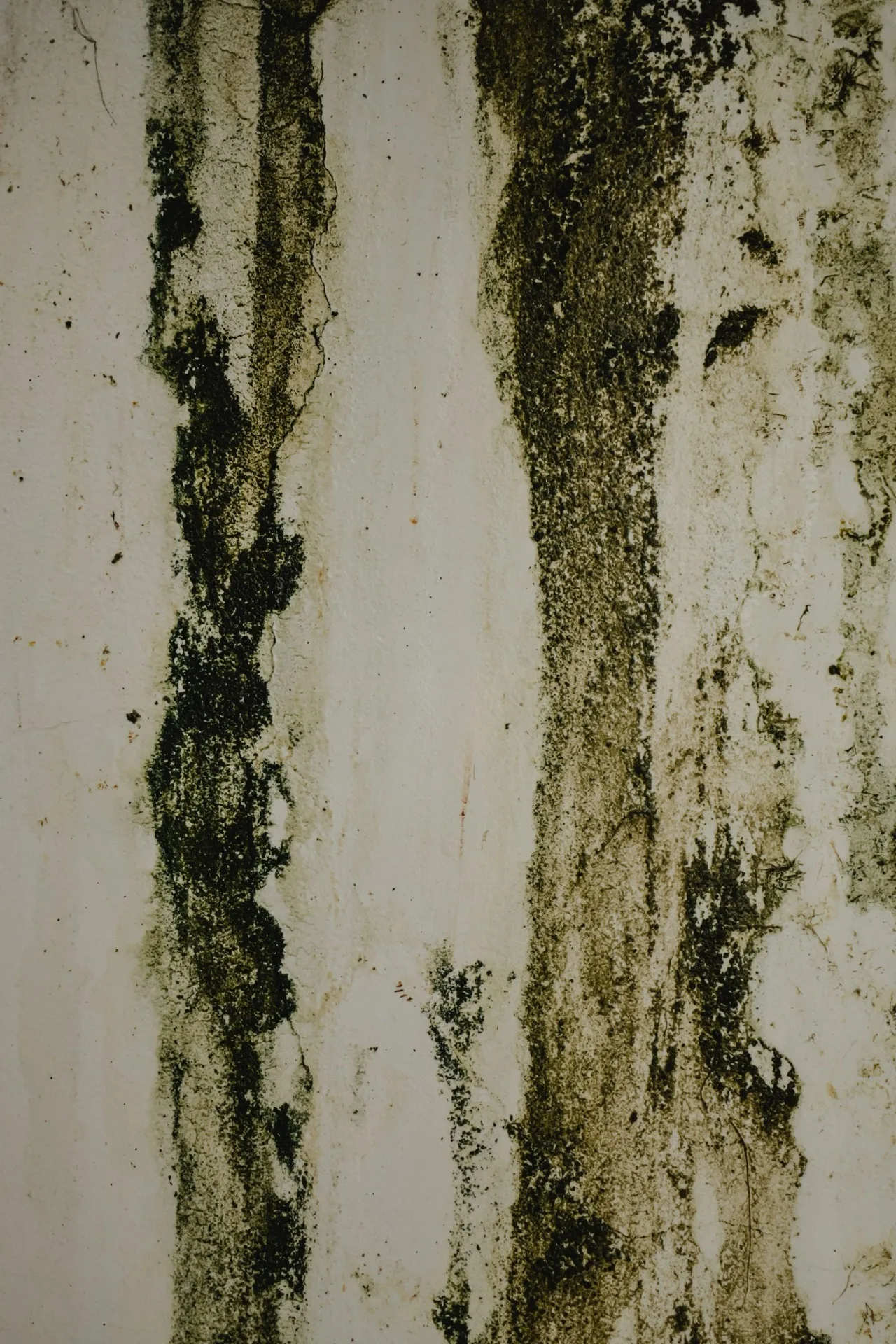
Finding a dark, splotchy patch on a wall, ceiling, or in a bathroom corner is unsettling, and the first instinct for a lot of Jacksonville homeowners is to grab bleach and a scrub brush. That instinct is understandable, but it skips a few steps that actually matter, both for your health and for whether the mold comes back in six months. Here’s what black mold actually is, why removing it isn’t as simple as it looks, and where an independent assessment fits before any work starts.
Is “black mold” always dangerous mold?
Not every dark stain is Stachybotrys chartarum, the species most people mean when they say “black mold.” Plenty of common mold species are also dark in color and grow under the same damp conditions. Visually telling them apart isn’t reliable, even for an experienced eye, which is exactly why testing exists: a lab-analyzed air or surface sample identifies the actual species, rather than guessing off a color that several different molds share.
What is consistent is the cause. Black mold needs sustained moisture to establish itself, so its presence almost always points to a leak, high humidity, or poor ventilation that has been going on for a while, not a one-time spill.
Can I remove black mold myself?
For a very small, isolated spot (think a few square inches on a non-porous surface like tile), some homeowners handle it themselves. Beyond that, DIY removal runs into real problems:
- Porous materials trap it. Drywall, insulation, and carpet absorb mold growth in ways a surface wipe-down can’t reach. Scrubbing the visible patch often leaves the source material still contaminated underneath.
- Disturbing it releases spores. Scrubbing or cutting into moldy material without containment can spread spores through the rest of the home’s air, turning a contained problem into a widespread one.
- It doesn’t fix the moisture source. If the leak or humidity problem that caused the mold isn’t addressed, it comes back, often in the same spot, within months.
- You have no way to confirm it’s actually gone. Visible mold can be wiped away while the underlying contamination in a wall cavity or subfloor stays behind.
What does professional black mold removal actually involve?
A properly run remediation job seals off the affected area, removes and bags any contaminated porous material, runs HEPA air filtration to capture disturbed spores, dries the space to a normal moisture level (not just visibly dry), and then rebuilds what was removed. It’s the same process behind any mold remediation job, just with the added care that comes from Stachybotrys specifically needing sustained wet conditions to grow, which usually means a moisture problem serious enough to warrant a closer look.
Why get an independent assessment before remediation starts?
This is the step most homeowners don’t know to ask for. Under Florida Statute § 468.8419, the company that assesses mold in your home cannot also be the one that performs the remediation, and vice versa. The law exists because a remediation company grading its own future job has no incentive to scope it conservatively.
In practice, an independent assessment means a NORMI-certified assessor identifies the mold species through lab testing (not a visual guess), measures how far the contamination has spread (including inside walls, where black mold often lives longest), and pinpoints the moisture source that has to be fixed so it doesn’t return. That gives you a written scope of work you can hand to any remediation company for an apples-to-apples quote, instead of trusting a number from whoever also profits from doing the work. It is considered a Conflict of Interest in the State of Florida.
What does black mold removal typically cost?
Cost depends on how much material has to come out and how far the contamination has spread, which is exactly why an assessment comes first. A small, contained area behind a bathroom vanity is a different job than mold that has traveled through a wall cavity from a slow, months-old leak. Getting a defined scope before you get a price is what turns “trust us” into a number you can actually compare between contractors.
Get an independent read before you touch it
JRG Mold Inspection & Testing is a team of NORMI-certified mold assessors and licensed public adjusters serving Jacksonville, Jacksonville Beach, St. Augustine, Ponte Vedra, Nocatee, Yulee, Fernandina Beach, and Palm Coast. We don’t perform remediation, so what we tell you about a suspected black mold problem reflects what’s actually in your home, not what’s convenient for a remediation company’s bottom line. If you’ve found a dark stain and aren’t sure what you’re looking at, or already have a quote and want a second, independent opinion, that’s exactly where we come in.
Call JRG Mold Inspection & Testing today at (904) 514-4525 or request your free phone consult online before you start scrubbing.