

Mold After Flood in Jacksonville, FL: What to Do Before It Spreads

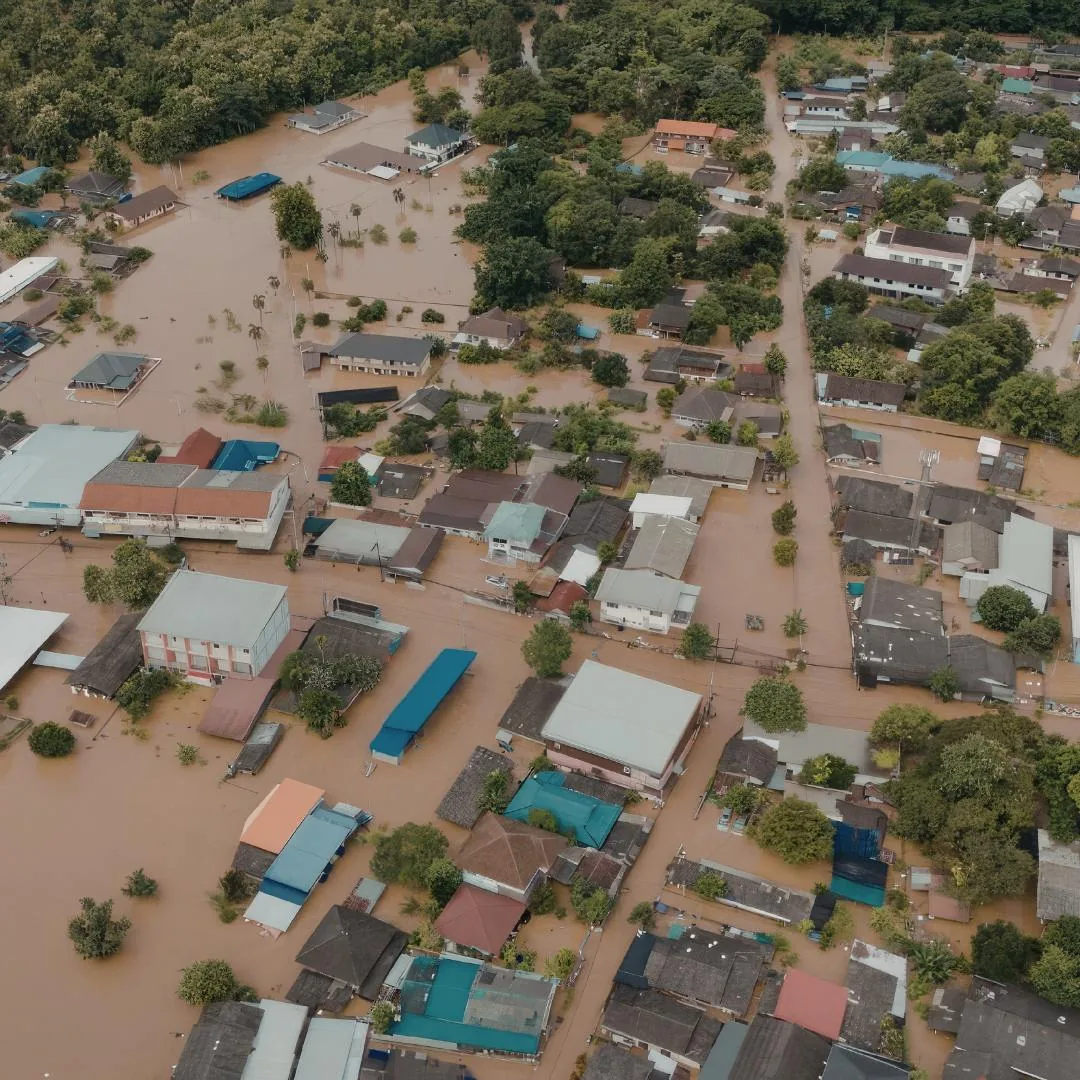
Hurricane season doesn’t wait, and neither does mold. If your Jacksonville home has taken on water — whether from a tropical storm, a burst pipe, or the kind of afternoon downpour that turns your backyard into a lake — you’re already in a race against time. Mold can begin colonizing wet surfaces within 24 to 48 hours of water exposure. By the time you can smell it or see it, it has often already spread into walls, subfloors, and HVAC systems.

At JRG Mold Inspection & Testing, we work with Jacksonville homeowners year-round on exactly this situation. What follows is a straightforward guide to understanding mold after flood events in Jacksonville, what the timeline looks like, and why getting an independent mold assessment early gives you a significant advantage — both for your health and for any insurance claim that follows.

Why Jacksonville Flood Events Create Ideal Mold Conditions

Jacksonville sits at sea level, criss-crossed by the St. Johns River and surrounded by low-lying neighborhoods like Arlington, Mandarin, and the Westside that are historically vulnerable to flooding. Add Northeast Florida’s year-round humidity — averaging 74 to 76 percent, with summer peaks routinely above 90 percent — and you have a city where flooded homes don’t simply dry out. They simmer.

When floodwater enters a home, it saturates drywall, insulation, wood framing, and flooring. These organic materials are exactly what mold needs to feed on. The warm temperatures that make Jacksonville summers beautiful also accelerate mold germination. Spores that might take weeks to colonize in a cooler, drier climate can spread aggressively here within days.

This is not a scare tactic — it’s basic biology that every Northeast Florida homeowner should understand before hurricane season begins.

The Mold Timeline After a Flood: What’s Happening Inside Your Walls

Understanding the growth stages helps you make smarter decisions about timing.

Hours 1–24: Floodwater recedes or is pumped out. Surfaces appear wet. No visible mold yet, but spores already present in the environment are beginning to activate in damp materials.

Hours 24–48: Mold germination begins on wet drywall, wood studs, carpet backing, and insulation. Still largely invisible to the naked eye. This is the critical intervention window.

Days 3–7: Colonies become visible as fuzzy patches or discoloration. Musty odors begin to develop. If an HVAC system has been running, spores may already be circulating through the ductwork.

Week 2 and beyond: Without intervention, mold spreads laterally through wall cavities and upward into the subfloor and structural framing. Remediation costs increase significantly at this stage. What was a contained problem becomes a whole-house problem.

The takeaway: the faster you act after flooding, the more control you have over the outcome.

An example of crawlspace mold in Jacksonville FL

The 5 Most Common Places Mold Hides After a Jacksonville Flood

Knowing where to look — and where not to assume you’ve already looked — matters when it comes to mold after flood events.

  1. Behind drywall and baseboards. Drywall acts like a sponge. Even after the surface looks dry, moisture trapped behind it can sustain mold growth for weeks. Baseboards and the bottom six inches of interior walls are especially vulnerable after flood events.
  2. Under flooring and in subfloors. Water wicks under vinyl plank, hardwood, and tile long before it’s visible at the surface. Subfloor panels made from oriented strand board (OSB) or plywood retain moisture and begin to degrade quickly when wet.
  3. In crawl spaces. In the many Jacksonville homes with crawl spaces, floodwater often pools under the home with no easy drainage path. Without intervention, that standing moisture creates a persistent humidity source that feeds mold growth in floor joists and insulation above it.
  4. In HVAC systems and ductwork. If your AC ran during or after the flood, it may have pulled mold spores into the duct system and distributed them throughout the house. This is one of the most consequential pathways for whole-home contamination.
  5. In attic spaces. Roof damage during storms can allow water intrusion into attics that goes unnoticed while homeowners are focused on the ground floor. Attic mold often goes undetected for months.
An example of a home requiring mold testing Jacksonville Beach FL.

What to Do Immediately After Flooding in Your Jacksonville Home

Speed and sequence matter here. These are the most important steps to take in the first 48 to 72 hours.

Stop the water source first. If flooding came from a pipe failure or appliance leak, address that before anything else. Mold remediation is pointless if new moisture keeps entering.

Document everything before touching it. Photograph and video the damage from every angle. If you plan to file a homeowner’s insurance claim — which is often appropriate for sudden water events — this documentation is critical. Do not discard damaged materials until they’ve been documented and an adjuster has reviewed them.

Remove standing water and wet materials. Use wet vacuums, pumps, or professional water extraction services. Remove soaked rugs, carpet, and any porous materials that cannot be dried completely within 24 to 48 hours. Wet drywall that has been saturated generally needs to be removed.

Increase air circulation and begin drying. Open windows if outdoor humidity is lower than indoor levels (check this — in Jacksonville during summer, outdoor humidity is often higher, which makes this counterproductive). Run fans and dehumidifiers aggressively. Your goal is to get the relative humidity (RH) in affected areas below 50% as quickly as possible.

Do not run the HVAC if you suspect mold. Once mold colonies are established, running central air can spread spores throughout the house. Use portable fans and dehumidifiers instead until a professional assessment determines the HVAC system is clean.

Call for a mold assessment early. This is not about finding mold that’s already visible — it’s about using moisture meters, thermal imaging, and air sampling to identify where moisture is hiding and whether mold growth has begun in areas you cannot see.

Why an Independent Mold Assessment Matters for Insurance Claims

This is where JRG Mold Inspection & Testing’s background sets us apart from a general home inspector or a remediation company. Our founder, Joseph R. Green, is both a licensed mold assessor and a licensed public adjuster in the state of Florida — a combination that is genuinely rare.

Here’s why that matters after a flood: homeowner’s insurance claims for mold are frequently complicated. Insurance companies distinguish between mold caused by a sudden, covered event (like a burst pipe or storm flooding) and mold that resulted from long-term neglect or maintenance issues. How that determination is made often comes down to documentation and the quality of the assessment report.

An independent mold assessment from a certified inspector — one with no financial interest in selling you remediation services — carries significantly more weight in the claims process than a report from a company that also wants to perform the remediation. Florida law actually prohibits mold testing and remediation from being performed by the same company on the same job, specifically because of this conflict of interest.

JRG provides thorough lab-analyzed inspection reports that document spore types, concentrations, affected areas, and likely moisture sources. These reports are designed to support the claims process, not complicate it.

Mold on a wall: signs of mold in home in Jacksonville.

Mold After Flood: Frequently Asked Questions (FAQs)

How quickly can mold grow after a flood in Jacksonville?

In Jacksonville’s climate, mold can begin to germinate on wet materials within 24 to 48 hours. Visible colonies often appear within three to seven days without remediation.

Does homeowner’s insurance cover mold after flooding?

It depends on the cause. Mold resulting from a sudden, covered event like a burst pipe or roof damage from a named storm is often covered. Mold from gradual leaks or deferred maintenance is typically not. Flood damage from rising water is generally covered under separate flood insurance, not standard homeowner’s policies. A licensed public adjuster can help you understand what applies to your situation.

Can I clean up flood mold myself?

Small, contained areas — under 10 square feet — can sometimes be addressed with proper protective equipment and EPA-approved antimicrobial products. Larger areas, or any mold that has penetrated into wall cavities, subfloors, or HVAC systems, require professional remediation to prevent cross-contamination.

How do I know if mold is in my walls after a flood?

You often cannot tell by sight alone. Musty odors, persistent allergy-like symptoms, and elevated moisture readings behind drywall are indicators. Professional inspection using thermal imaging and moisture meters can identify hidden moisture and mold growth that visual inspection would miss entirely.

Act Before Hurricane Season Peaks — Not After

Jacksonville’s Atlantic hurricane season runs from June 1 through November 30, with peak activity in August and September. Every year, Northeast Florida homeowners deal with flood damage from named storms, tropical systems, and the severe afternoon thunderstorms that are simply part of summer here.

The homeowners who fare best in the aftermath are the ones who act quickly, document thoroughly, and get an independent professional assessment before the damage compounds.

If your home has recently experienced water intrusion — or if you want to get ahead of what this hurricane season may bring — contact JRG Mold Inspection & Testing at (904) 600-4992. We serve Duval, Nassau, St. Johns, and Clay Counties with fast scheduling, thorough reporting, and the kind of independent assessment that actually helps when insurance enters the picture.

Don’t wait for the smell. Call before you can see it!

Leave a Comment

Your email address will not be published. Required fields are marked *