


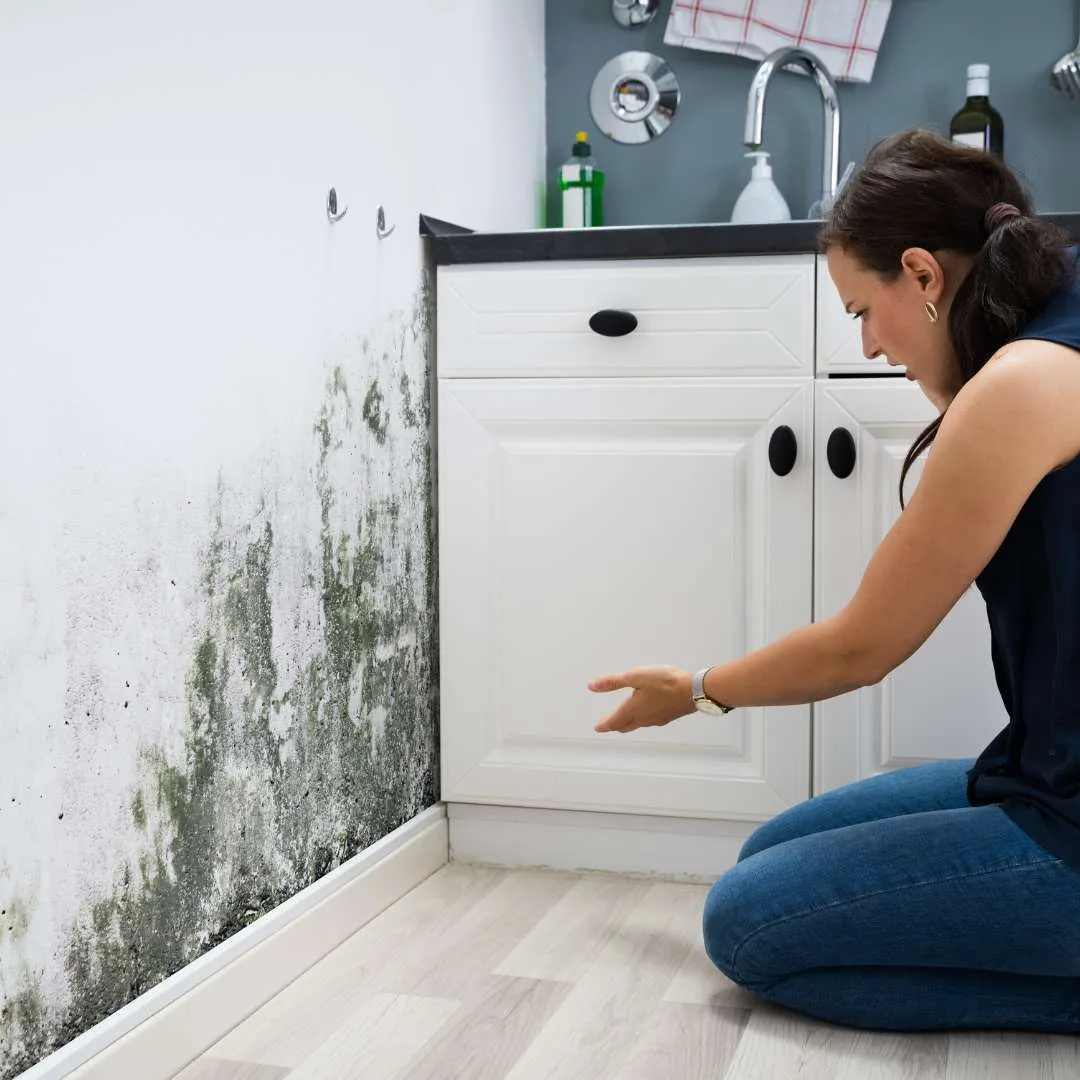
Jacksonville experiences extreme rainfall. The National Weather Service documented over 60 inches across Duval County in 2024 alone. Combined with the region’s 75 percent average humidity, conditions favor mold colonization year-round.
Five Hidden Mold Reservoirs
1. Roof Leaks and Attic Mold Damaged shingles and clogged valleys allow water infiltration. Many pre-1990 homes have inadequate attic ventilation (1:300 instead of the required 1:150), trapping humid air and enabling growth. Warning signs include dark nail streaks, stained insulation, and musty morning odors.
2. Behind Walls Cracked stucco and pinhole leaks in copper supply lines create hidden moisture pockets. A 1/32-inch pinhole can leak 300 gallons monthly. Detection methods include infrared imaging and moisture meter testing.
3. HVAC Systems Condensation buildup, clogged drain lines, and sagging flexible ductwork create ideal mold environments. Annual maintenance and UV light installation help prevent colonization.
4. Crawl Spaces Torn vapor barriers and high water tables allow ground moisture to fuel wood decay. Installing 6-mil polyethylene sheeting and maintaining 50 percent relative humidity prevents growth.
5. Appliance Leaks Washing machines, refrigerators, and dishwashers account for 14 percent of Florida water-damage claims. Regular inspections behind and beneath appliances catch slow leaks early.
Prevention Strategy
Monthly condensate line flushing, bi-annual roof inspections, annual energy audits, and humidity control below 55 percent reduce risk significantly.