
Bathroom Mold Prevention Tips FL: Expert Strategies for Jacksonville-Area Homeowners

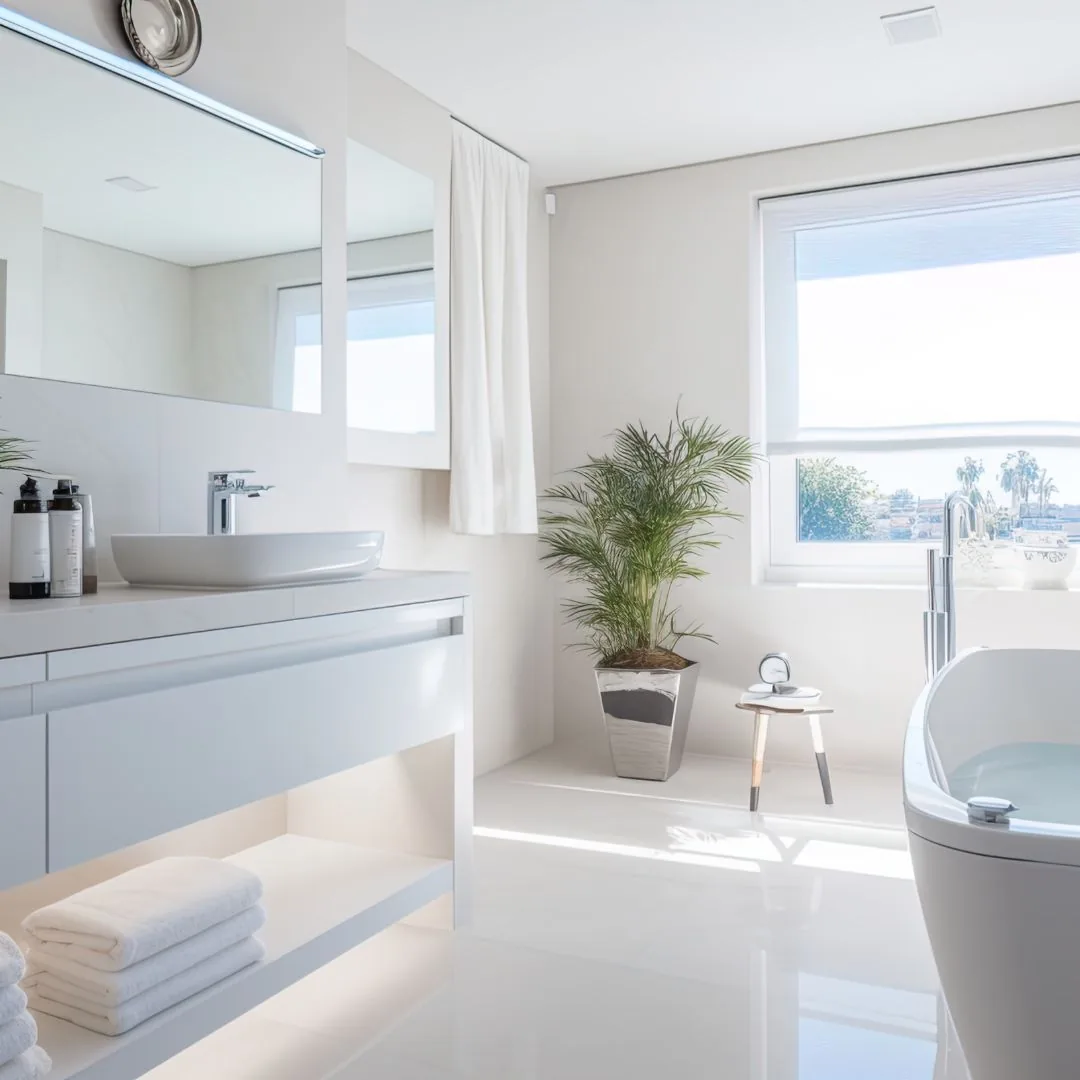
A mold-free bathroom demonstrating bathroom mold prevention tips FL.

Living in Northeast Florida, you already know how quickly bathroom mold can appear. High humidity, warm temperatures, and frequent rain showers create the perfect storm (pun intended) for mold growth in bathrooms across Duval, Nassau, St. Johns, and Clay Counties. At JRG Mold Inspection & Testing, we’ve inspected thousands of homes in Jacksonville and surrounding areas, and we see the same pattern: preventable mold issues that turn into costly problems when ignored.

This guide delivers practical bathroom mold prevention tips FL homeowners can use right now. Whether you’re in Jacksonville Beach, St. Augustine, Yulee, or Ponte Vedra, these steps will help you protect your family’s health and your home’s value.

Why Bathrooms in Florida Are Mold Magnets

Florida’s subtropical climate makes mold a year-round threat. Jacksonville averages 74–76% relative outdoor humidity, with summer peaks often exceeding 90%. Indoor bathrooms trap steam from showers, poor ventilation, and leaks, pushing relative humidity above the 60% threshold where mold thrives.

Mold spores are everywhere, but they only grow when moisture, warmth, and organic material meet. In Florida bathrooms, that happens daily. Steam condenses on tiles, grout, ceilings, and walls. Without proper airflow, surfaces stay damp for hours. Add Florida’s rainy season and hurricane-related flooding, and you have a recipe for hidden mold behind walls or under vanities.

Left unchecked, bathroom mold can spread to HVAC systems, cause respiratory issues, and lower property values. The good news? With the right bathroom mold prevention tips FL, you can stop it before it starts.

10 Proven Bathroom Mold Prevention Tips FL Homeowners Love

1. Run Your Exhaust Fan Correctly—Every Single Time

Most Florida homes built before 2000 have undersized or poorly vented fans. Run the bathroom exhaust fan during your shower and for at least 20–30 minutes afterward. Choose a quiet, ENERGY STAR-rated fan that vents directly outside—not into the attic. If your fan is weak, upgrade it. Proper ventilation alone cuts bathroom humidity dramatically.

2. Wipe Down Surfaces Immediately After Every Use

Keep a squeegee and microfiber cloth in the shower. Wipe down walls, doors, and floors after every shower or bath. This simple habit removes standing water that mold loves. In humid Florida air, even a few minutes of drying time makes a significant difference.

3. Control Indoor Humidity with Dehumidifiers and AC

Aim to keep bathroom and whole-house humidity between 40–50%. To achieve this, place a small dehumidifier in the bathroom during peak humid months (June–November). Run your central AC consistently—even when you’re away—to pull moisture from the air. It’s best to never set your thermostat above 78F–even when you’re out of town. A smart hygrometer lets you monitor levels in real time.

4. Fix Leaks the Same Day They Appear

A dripping faucet or slow toilet leak may soak drywall within a few hours. Inspect pipes, as well as caulk and grout around the surround, monthly. If the caulk around tubs and sinks is worn, replace it with mold-resistant silicone. In Florida’s climate, even tiny leaks become big mold problems fast.

5. Choose Mold-Resistant Materials During Remodels

When updating your bathroom, select mold-resistant drywall, paint, and grout. These products contain antimicrobial additives that fight mold growth. Avoid carpeting or heavy rugs in bathrooms—tile or vinyl is far safer.

6. Clean Weekly with Mold-Fighting Solutions

Weekly cleaning prevents spores from taking hold. Use a solution of one part bleach to ten parts water or a natural white-vinegar mix on tiles and grout. Spray shower curtains, bath mats, and window sills, too. For tough spots, try EPA-approved mold inhibitors designed for Florida humidity.

7. Keep the Bathroom Door Open or Improve Airflow

After showering, leave the door open so moisture can escape into the rest of the house, where AC or ceiling fans can handle it. This simple trick works wonders in homes without strong exhaust fans.

8. Maintain Your HVAC System

Dirty air filters and clogged drip pans push humid air back into your home. Change HVAC filters every 30–60 days and schedule annual professional duct cleaning. Your AC is your first line of defense against Florida mold.

9. Use Mold-Resistant Sealants and Caulk

As we mentioned earlier, it’s always good to use mold-resistant materials when remodeling bathrooms. However, whether your bathroom is old or recently remodeled, be sure to re-caulk around tubs, sinks, and windows every 1–2 years. Mold-resistant caulk creates a waterproof barrier that stops hidden moisture from seeping behind tiles.

10. Schedule Professional Mold Inspections Annually

Even the best DIY efforts miss hidden mold. JRG Mold Inspection & Testing uses advanced moisture meters, thermal imaging, and lab-tested air samples to find problems early. Our certified inspectors serve Nassau, Duval, St. Johns, and Clay Counties with fast, accurate reports.

An example of homes representing ones that require mold testing Ponte Vedra FL.

Florida-Specific Challenges and Smart Solutions

Florida’s rainy season and coastal location create extra hurdles. Hurricane season brings flooding risks that can saturate bathrooms overnight. Salt air near the coast accelerates corrosion and moisture intrusion.

Combat these by:

  • Elevating bathroom storage off the floor
  • Using portable dehumidifiers after storms
  • Inspecting windows and doors for seals before hurricane season

Many Northeast Florida homes also have older plumbing and crawl spaces that feed moisture upward. Our team at JRG frequently finds mold traveling from bathrooms into attics or adjacent walls—issues invisible to homeowners until testing reveals them.

Signs It’s Time to Call Mold Inspection Professionals

Don’t wait for visible black spots. Watch for:

  • Musty odors that linger after cleaning
  • Water stains on ceilings or walls
  • Peeling paint or bubbling caulk
  • Allergy-like symptoms that worsen in the bathroom
  • Condensation on mirrors that never fully clears

If you notice any of these, contact JRG Mold Inspection & Testing immediately. Early detection saves thousands in remediation costs and protects your family’s health.

A woman smelling musty odors from mold.

Protect Your Home with Expert Bathroom Mold Prevention Tips FL

Implementing these bathroom mold prevention tips FL will keep your Northeast Florida bathroom dry, clean, and mold-free year-round. Consistent habits—combined with Florida-smart tools like dehumidifiers, proper ventilation, and annual inspections—make all the difference.

At JRG Mold Inspection & Testing, we don’t just test for mold—we help Northeast Florida homeowners prevent it. Our certified team serves Duval, Nassau, St. Johns, and Clay Counties with thorough inspections, clear reports, and practical recommendations tailored to our unique climate.
Ready to breathe easier? Call JRG Mold Inspection & Testing today at (904) 600-4992 to schedule your inspection. Don’t let hidden bathroom mold compromise your home—take action with the experts who know Florida best.

Ready to safeguard your bathroom? Contact JRG Mold Inspection & Testing for professional mold testing and prevention guidance across Northeast Florida.

Leave a Comment

Your email address will not be published. Required fields are marked *