

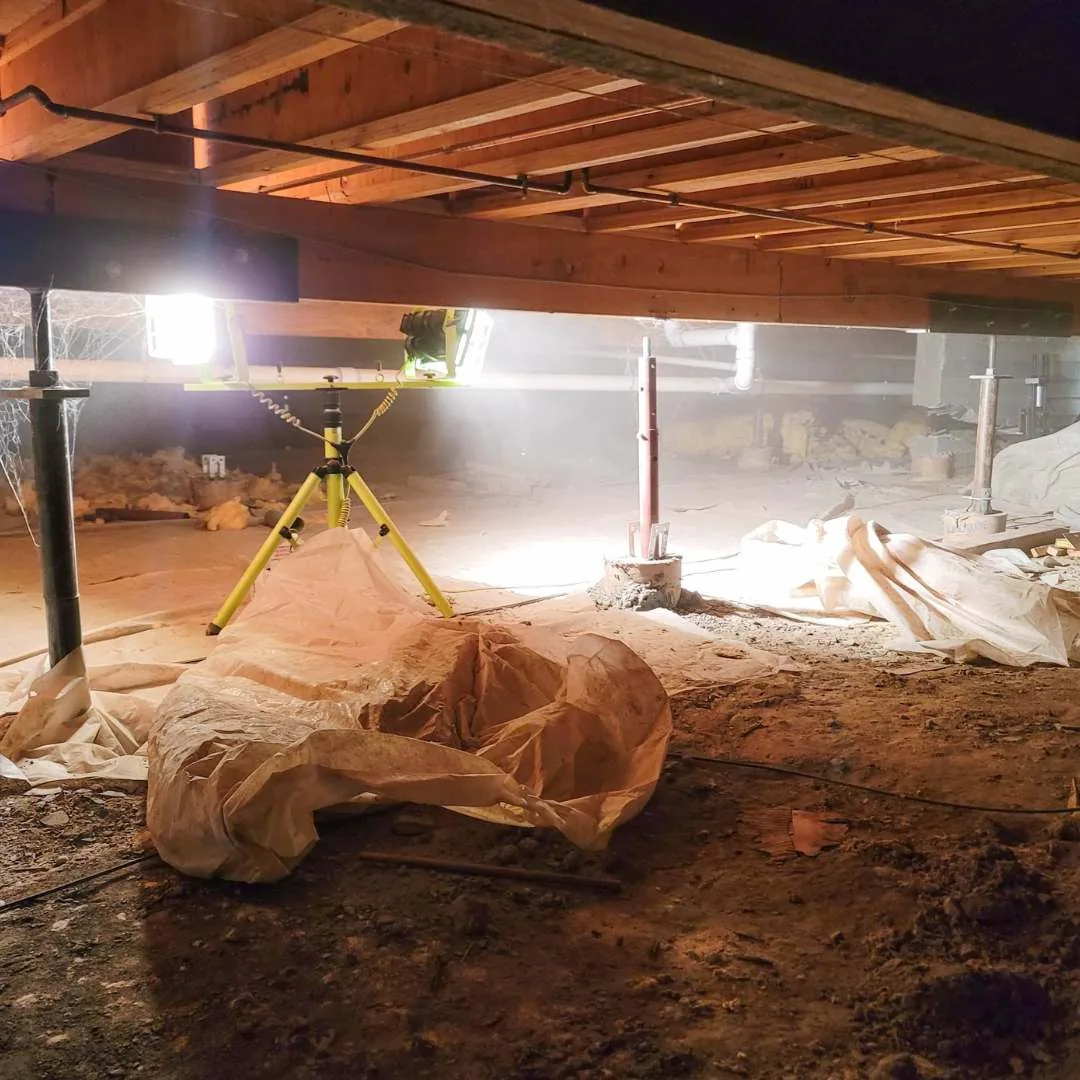
Jacksonville’s subtropical environment, with humidity rarely dropping below 70% and frequent afternoon storms, creates persistent moisture conditions that infiltrate home crawlspaces. This damp environment becomes an ideal habitat for mold growth, often developing undetected until symptoms surface in living areas above.
Environmental Factors Driving Mold Growth
Several conditions make Jacksonville crawlspaces vulnerable:
- Ground moisture evaporation: Bare dirt floors release humidity that condenses on cooler structural components
- Inadequate ventilation: Traditional vented crawlspaces allow humid outdoor air to enter and create condensation
- Drainage issues: Poor grading and plumbing leaks allow water intrusion
- Temperature differentials: Indoor-outdoor air mixing creates condensation on surfaces
Neighborhoods with older construction, particularly in Riverside and San Marco, frequently exhibit vented crawlspaces lacking modern moisture controls.
Detection Indicators
Homeowners should watch for these warning signs:
- A persistent musty or earthy odor that seems to come from floors or vents
- Visible fungal growth (black, green, white, or fuzzy patches) on joists and insulation
- Elevated indoor humidity and increased cooling costs
- Health symptoms including worsening allergies, chronic sinus issues, coughing, and unexplained fatigue
- Structural damage such as sagging floors or warped baseboards
- Water stains on foundation walls indicating moisture intrusion
Health Considerations
Up to 50% of indoor air can originate from crawlspace areas. Mold spores circulate through HVAC systems, potentially triggering:
- Allergic reactions (sneezing, itchy eyes, rashes)
- Respiratory complications including asthma aggravation and chronic cough
- Neurological symptoms (headaches, brain fog, fatigue)
- Heightened risks for vulnerable populations including children, seniors, and immunocompromised individuals
Professional Inspection Advantages
Certified inspectors employ specialized equipment and methodologies that DIY approaches cannot replicate:
- Moisture meters detecting hidden dampness in wood and soil
- Thermal imaging identifying temperature anomalies from leaks
- Borescopes accessing hard-to-reach spaces
- Laboratory analysis of air and surface samples for species identification and spore concentration measurement
Professional documentation proves essential for insurance claims and comprehensive remediation projects.
JRG Inspection Process
The company’s inspection methodology includes:
- Pre-inspection consultation regarding home history and concerns
- Comprehensive visual examination of structural components, insulation, and foundation walls
- Moisture measurement and thermal imaging
- Strategic air sampling from crawlspace and living areas plus visible growth documentation
- Detailed photographic documentation
- Laboratory analysis (48-72 hour turnaround)
- Comprehensive report with findings, risk assessment, and action plan
- Post-remediation verification testing when applicable
Prevention Strategies
Jacksonville homeowners can reduce mold risk through:
- Installing sealed crawlspace systems with vapor barriers and dehumidifiers maintaining 40-50% relative humidity
- Establishing proper exterior grading and gutter systems directing water away from foundations
- Sealing or converting vented foundation systems
- Annual plumbing inspections addressing leaks immediately
- Installing French drains or sump pumps for groundwater management
- Scheduling inspections every 2-3 years, particularly following hurricanes
Service Details
Cost Range: $350 to $650 depending on home size and access Inspection Duration: 1 to 3 hours on-site Lab Results Timeline: 48 to 72 hours
The company holds DBPR licensure and NORMI certification, emphasizing independent testing without remediation sales pressure. Contact JRG Mold Inspection & Testing at (904) 514-4525.