
Living in Jacksonville, Florida, means enjoying beautiful beaches, sunny weather, and a vibrant community. But our humid subtropical climate also brings challenges, like the increased risk of mold growth in homes. If you’ve ever wondered about the “signs of mold in home Jacksonville,” you’re not alone. Mold can sneak up on you, causing health issues and property damage if left unchecked. In this article, we’ll explore the key indicators of mold infestation, why it’s a big deal in our area, and what steps you can take to protect your family and property.
As a local mold assessment expert, I’ve seen firsthand how quickly mold can become a problem in Duval County homes. From older houses in Riverside to newer builds in St. Johns, the combination of high humidity, frequent rains, and occasional flooding creates ideal conditions for mold. Let’s dive into the signs you should watch for, so you can address any issues early.

Understanding Mold and Its Risks in Jacksonville, FL
Before we get into the specifics, it’s worth noting what mold is and why it’s particularly prevalent here. Mold is a type of fungus that thrives in moist, warm environments. In Jacksonville, where average humidity hovers around 70-80% year-round and summer temperatures climb into the 90s, mold spores can easily find a foothold. Common types include what’s colloquially known as “black mold” (Stachybotrys), which is often linked to water damage, and other varieties like Aspergillus or Penicillium.
The risks aren’t just cosmetic. Mold can exacerbate respiratory problems, trigger allergies, and even lead to more serious health concerns over time. According to health experts, prolonged exposure might cause symptoms like coughing, wheezing, or skin irritation. For families with young children, elderly members, or those with asthma, detecting mold early is crucial. That’s why knowing the mold symptoms in your house in Jacksonville can make all the difference.
Visible Signs of Mold Growth
One of the most straightforward ways to spot mold is by looking for it. Here are some common visible indicators:
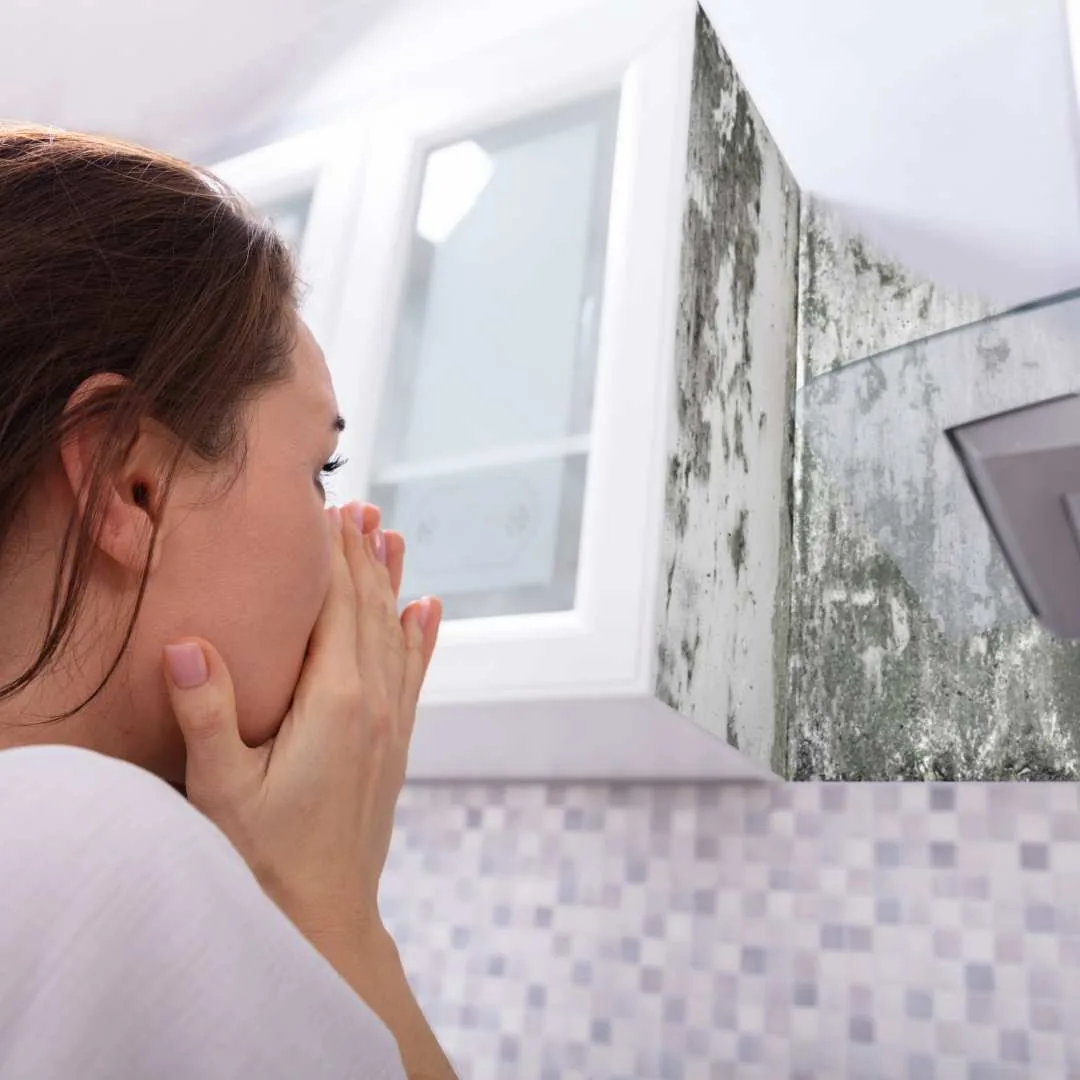
- Dark Spots or Discoloration on Walls and Ceilings: If you notice black, green, or white patches on your drywall, especially in bathrooms or kitchens, it could be mold. In Jacksonville homes, this often appears after heavy rains or leaks from air conditioning units. Check areas around windows and vents, where condensation builds up.
- Fuzzy or Slimy Texture: Mold isn’t always flat; sometimes it has a velvety or slimy feel. If you see something that looks like mildew on grout lines or shower curtains, it’s time to investigate further. This is a classic “how to detect mold in your Jacksonville home” red flag.
- Peeling Paint or Wallpaper: Bubbling or peeling surfaces can signal hidden moisture problems leading to mold. In older Jacksonville neighborhoods like San Marco, where homes might have aging plumbing, this is a frequent issue.
These visual cues are often the first “signs of mold in home Jacksonville” that homeowners notice. But don’t stop at what you can see—mold loves to hide.

Musty Odors: The Invisible Warning
Even if you don’t see mold, your nose might detect it. A persistent musty smell, similar to wet socks or earth, is a strong indicator. This odor comes from microbial volatile organic compounds (MVOCs) released by mold as it grows.
In Jacksonville, where homes often have crawl spaces or attics with poor ventilation, this smell can linger in basements or under sinks. If the scent is stronger in certain rooms after rain, it’s worth checking for water intrusion. Many residents mistake this for general humidity, but it’s a key sign that warrants a professional mold inspection in Jacksonville.
Health Symptoms Linked to Mold Exposure
Mold doesn’t just affect your home—it can impact your well-being. Pay attention to these symptoms, especially if they worsen indoors:
- Respiratory Issues: Sneezing, runny nose, or sinus congestion that improves when you’re outside could point to mold. In humid Florida, “black mold signs Florida” often include these allergy-like reactions.
- Skin and Eye Irritation: Red, itchy eyes or rashes might occur from mold spores in the air. This is common in homes near the St. Johns River, where moisture levels are high.
- Fatigue or Headaches: Unexplained tiredness or frequent headaches can sometimes be traced back to poor indoor air quality due to mold.
If multiple family members experience these, it’s not just a coincidence. Document when symptoms occur and consider testing your home’s air quality.

Hidden Mold: Where It Lurks in Jacksonville Homes
Mold often hides in places you least expect, making detection tricky. In our area, with its history of hurricanes and tropical storms, water damage from events like Hurricane Irma in 2017 can lead to long-term issues.
- Behind Walls and Under Floors: Leaky pipes or roof damage can cause mold to grow out of sight. Use a moisture meter to check suspicious areas.
- In HVAC Systems: Jacksonville’s reliance on air conditioning means ducts can accumulate moisture, fostering mold. If your AC unit drips or you notice dust buildup, mold might be circulating through your vents.
- Attics and Crawl Spaces: Poor insulation in these areas traps humidity, leading to mold on wood beams or insulation.
To uncover hidden mold, look for indirect signs like warped wood or increased utility bills from inefficient HVAC systems. These are subtle “mold detection tips Jacksonville” that can save you from costly repairs.
Prevention Tips for Mold in Jacksonville Homes
Preventing mold is easier than dealing with an infestation. Start by controlling moisture:
- Improve Ventilation: Use exhaust fans in bathrooms and kitchens, and ensure your attic has proper venting.
- Fix Leaks Promptly: Address roof leaks, plumbing issues, or window seals immediately. In flood-prone areas like Arlington, this is essential.
- Maintain Humidity Levels: Keep indoor humidity below 60% with dehumidifiers, especially during rainy seasons.
Regular home maintenance, like cleaning gutters and grading your yard away from the foundation, can prevent water accumulation. For those in coastal zones, consider mold-resistant paints and materials during renovations.
When to Call a Professional Mold Assessor in Jacksonville, FL
If you suspect mold based on these signs, don’t DIY it—professional help is key. A certified mold inspector in Jacksonville can use tools like infrared cameras and air sampling to confirm and locate issues accurately.
Look for companies with experience in Florida’s climate, offering comprehensive mold assessments. They can provide remediation plans and help with insurance claims if needed. Early intervention prevents small problems from becoming major headaches, protecting both your health and home value.
In conclusion, recognizing the signs of mold in your Jacksonville home empowers you to act swiftly. From visible spots and musty odors to health symptoms and hidden growth, staying vigilant is your best defense in our humid environment. If you’re concerned about mold in your Duval County property, reach out to a local expert for a thorough evaluation. Your home—and your peace of mind—will thank you.