
Living in Jacksonville means dealing with humidity that rarely dips below 70%, frequent afternoon thunderstorms, and a subtropical climate that keeps things damp year-round. While we love our beaches and rivers, that same moisture often finds its way into the crawlspace beneath our homes. Over time, it creates the perfect breeding ground for mold—quietly growing out of sight and potentially causing serious problems above ground.
If you’ve caught a faint musty smell in your home, noticed rising energy bills this summer, or experienced unexplained allergy-like symptoms, crawlspace mold could be the culprit. A professional crawlspace mold inspection in Jacksonville, FL, isn’t just about peace of mind—it’s about protecting your property value, structural integrity, and family health.
At JRG Mold Inspection & Testing, we’ve helped countless homeowners across Duval, St. Johns, Clay, and Nassau counties identify and address these hidden issues. With our independent, certified approach, we focus on accurate detection and clear reporting without pushing unnecessary remediation. If you’re concerned about what’s lurking under your floorboards, give us a call at (904) 600-4992 for a thorough assessment.

What Makes Crawlspaces in Jacksonville Prime for Mold Growth?
Florida’s environment is tough on homes, especially those with crawlspaces. High groundwater tables, sandy soils that drain poorly after heavy rains, and relentless humidity create constant moisture challenges. In Jacksonville specifically, seasonal hurricanes and tropical storms can saturate the ground, pushing water vapor upward through the soil.
Common culprits include:
- Ground moisture evaporation: Without a proper vapor barrier, humidity from the bare dirt floor rises steadily, condensing on cooler joists, ducts, and insulation.
- Poor ventilation in vented crawlspaces: Traditional open vents allow humid outdoor air to enter, where it meets cooler surfaces and forms condensation—often leading to standing water or damp wood.
- Plumbing leaks or poor drainage: Even small drips from pipes can pool, while inadequate grading around the foundation lets rainwater seep in.
- Condensation from temperature differences: Warm, moist air from your living spaces or outside infiltrates, cooling on surfaces, and creating ideal conditions for spores to thrive.
Many older homes in neighborhoods like Riverside, San Marco, or Mandarin still have vented crawlspaces without modern moisture controls. Newer builds sometimes fare better, but construction shortcuts or deferred maintenance can still invite problems. It’s common to see cases where a single unnoticed leak turns into widespread growth covering joists and insulation within months.
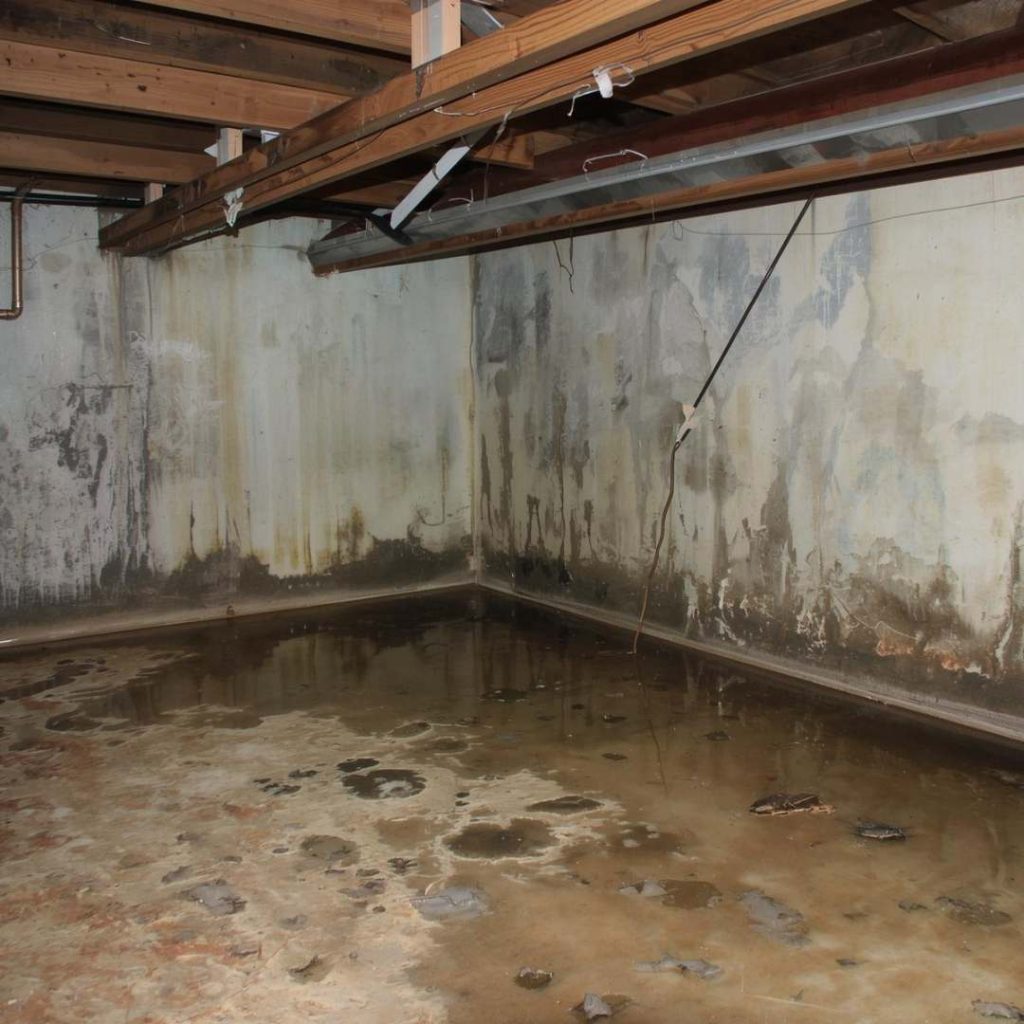
Early Warning Signs of Crawlspace Mold
Mold loves dark, undisturbed areas, so it often goes undetected until symptoms appear upstairs. Here are the most common red flags Jacksonville homeowners report:
- A persistent musty or earthy odor that seems to come from floors or vents—often the first and strongest clue.
- Visible growth: Black, green, white, or fuzzy patches on wooden joists, subflooring, insulation, or ductwork.
- Higher indoor humidity or unexplained spikes in AC bills—moldy insulation loses efficiency, making your system work harder.
- Health symptoms: Worsening allergies, chronic sinus issues, coughing, headaches, or fatigue that improves when away from home.
- Structural clues: Sagging floors, buckling hardwood, warped baseboards, or increased pest activity (mold attracts insects and rodents).
- Water stains or efflorescence on foundation walls; indicating past or ongoing moisture intrusion.
If any of these sound familiar, don’t delay. Crawlspace issues spread upward through HVAC systems, circulating spores throughout your living areas.

Health Implications of Ignoring Crawlspace Mold
Mold isn’t just a structural nuisance—it’s a potential health hazard. In Florida’s humid climate, spores easily become airborne and enter your home via floor registers, gaps, or the HVAC system. Up to 50% of indoor air can originate from below.
Common effects include:
- Allergic reactions: Sneezing, itchy eyes, skin rashes, and nasal congestion.
- Respiratory problems: Wheezing, shortness of breath, aggravated asthma, or chronic cough.
- Irritant responses: Headaches, fatigue, brain fog, or throat irritation.
- More serious risks for vulnerable groups: Children, seniors, immunocompromised individuals, or those with pre-existing conditions may face infections or intensified symptoms.
Florida Department of Health guidelines highlight that controlling indoor moisture prevents most mold-related issues. In our inspections, we’ve frequently found elevated spore counts in living spaces traced directly to crawlspace sources. Addressing it early protects everyone under your roof.
Why Choose Professional Crawlspace Mold Inspection Over DIY Attempts
Spot-checking with a flashlight or buying a home test kit might seem sufficient, but crawl spaces are tricky. Hidden growth behind insulation, in tight corners, or on the underside of subfloors often escapes notice. DIY kits can’t identify species or quantify spore levels accurately, and improper sampling risks contamination or false results.
Certified inspectors use specialized tools:
- Moisture meters to detect hidden dampness in wood and soil.
- Thermal imaging cameras to spot temperature anomalies from leaks or condensation.
- Borescopes for hard-to-reach areas.
- Air and surface sampling sent to independent labs for genus/species identification and concentration analysis.
Under Florida regulations, detailed documentation is crucial for insurance claims or large-scale remediation. At JRG, we provide unbiased reports with photos, lab data, moisture mapping, and recommended next steps—helping you make informed decisions.
What to Expect from a JRG Crawlspace Mold Inspection
When you contact JRG Mold Inspection & Testing for a crawlspace mold inspection in Jacksonville, FL, we keep things simple, thorough, and client-focused.
It begins with a no-obligation phone discussion about your home’s history, any recent water events, symptoms, or concerns. We schedule promptly—often within 24-48 hours.
On-site, our licensed inspector:
- Performs a detailed visual exam of joists, beams, insulation, ducts, vapor barriers, and foundation walls.
- Measures moisture levels and uses infrared to identify problem zones.
- Collects strategic air samples (inside crawlspace and living areas for comparison) plus surface lifts/swabs if growth is visible.
- Documents everything with photos and notes on ventilation, drainage, and potential sources.
Samples go to an accredited lab. Within 2-5 days, you receive a comprehensive report outlining findings, health risks, spore types, and a tailored action plan. If mold is present, we can coordinate with trusted remediation partners or assist with insurance documentation—when needed.
Post-remediation verification (PRV) testing ensures the space is clear, often providing a clean bill of health certificate.
Prevention Tips Tailored to Jacksonville Homes
Stop mold before it starts with these practical steps:
- Install or upgrade to a sealed crawlspace with a heavy-duty vapor barrier and dehumidifier to maintain 40-50% relative humidity.
- Ensure proper exterior grading and gutters direct water away from the foundation.
- Seal foundation vents in vented systems or convert to an encapsulated design.
- Inspect plumbing annually and fix leaks immediately.
- Improve drainage with French drains or sump pumps if groundwater is an issue.
- Schedule routine crawlspace mold inspections every 2-3 years, especially after hurricanes.
These measures not only prevent mold but can lower energy costs and extend your home’s lifespan.
Why JRG Mold Inspection & Testing is Jacksonville’s Trusted Choice
We’re local experts who understand Northeast Florida’s unique challenges—from post-hurricane moisture surges to high groundwater in areas like Arlington or Mandarin. Founder Joseph R. Green brings claims experience and UF education to every job, prioritizing advocacy and transparency.
Fully licensed by DBPR, NORMI-certified, and focused on independent testing—no remediation sales pressure. We serve residential and commercial properties across the region with 5-star feedback highlighting our thoroughness and helpful explanations.
Common Questions About Crawlspace Mold in Jacksonville
1. How much does a crawlspace mold inspection cost?
Typically $350–$650, based on home size and access. We offer clear upfront pricing with real value in detailed reporting.
2. Is crawlspace mold covered by insurance?
Often, yes, if resulting from a covered event like a burst pipe. We help maximize claims with strong documentation.
3. Can I remediate small mold myself?
Limited areas might be manageable with precautions, but professionals ensure containment, source correction, and no cross-contamination.
4. How long does the process take?
On-site: 1–3 hours. Lab results: 48–72 hours.
Take Action Before Problems Escalate
In Jacksonville’s humid climate, crawlspace mold doesn’t stay contained—it affects your entire home. A professional crawlspace mold inspection in Jacksonville, FL, catches issues early, saving you from costly repairs and health concerns.
Don’t wait for symptoms to worsen. Contact JRG Mold Inspection & Testing today at (904) 600-4992 for a free consultation. We’re here to help keep your home safe, dry, and healthy.